
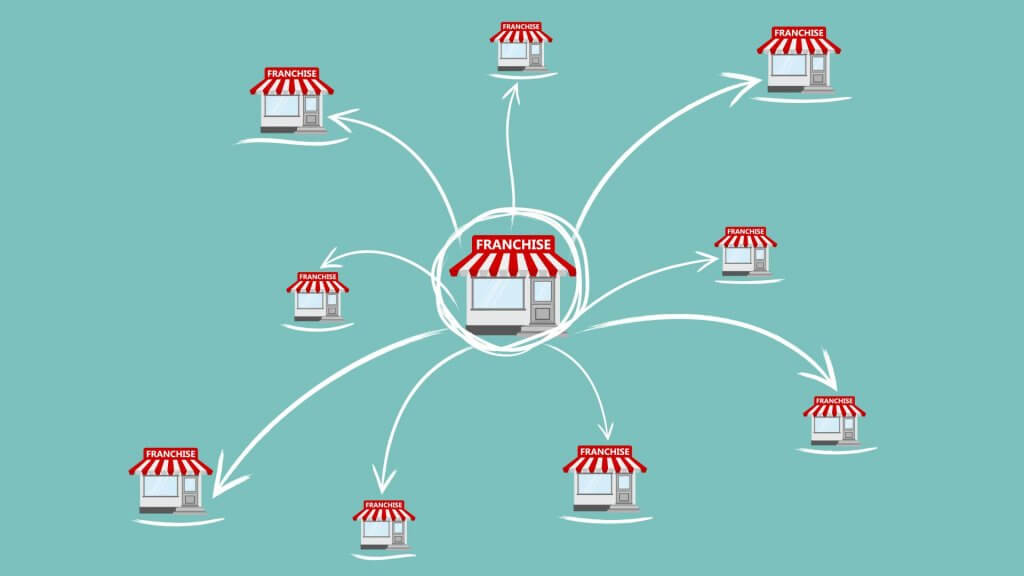
Here are 5 compelling reasons to start a food franchise in India today, grounded in current market dynamics, consumer behavior, and regulatory trends as of 2026:
1. Tier 2 & Tier 3 Cities Are the New Growth Engines
Metropolitan markets are increasingly saturated, but India's mid-sized and smaller cities are experiencing rapid urbanization, digital penetration, and rising aspirational spending. Franchise brands are aggressively expanding into these markets due to lower real estate and labor costs, reduced competition, and high brand recall value. Many established QSR and café chains now report that over 50% of their new franchise openings come from non-metro locations, offering first-mover advantages to local entrepreneurs.
2. Mature Delivery & Quick-Commerce Infrastructure
India's food-tech ecosystem has evolved beyond basic delivery. Platforms like Swiggy, Zomato, Blinkit, and Zepto now seamlessly integrate with franchise operations, enabling hybrid models (dine-in + cloud kitchen + quick-commerce pickup). This means franchisees can capture multiple revenue streams from a single location without heavy marketing spend. The standardized tech stack, demand forecasting tools, and logistics networks provided by these platforms significantly lower the barrier to scalable food retail.
3. Proven SOPs & Significantly Lower Failure Risk
Starting an independent F&B venture carries high operational, branding, and supply chain risks. Franchises mitigate these by offering tested standard operating procedures, centralized procurement, staff training programs, and national marketing support. Industry analyses consistently show that food franchises have a 3–5 year survival rate nearly double that of independent startups. In a competitive landscape where consistency, hygiene, and pricing transparency drive repeat business, leveraging an established brand is a strategic advantage.
4. Policy Tailwinds & Streamlined Compliance
The Indian government has maintained a franchise-friendly regulatory environment, with 100% FDI permitted in food retail and processing under the automatic route. Initiatives like single-window clearances, GST rationalization, and FSSAI's simplified licensing for chain operations have reduced bureaucratic friction. Additionally, state-level food processing and MSME incentives often extend to franchise partners, making setup, scaling, and compliance more predictable than in previous years.
5. Rapid Menu Innovation & Niche Segment Opportunities
Consumer preferences in 2026 are highly segmented: health-forward, regional authenticity, plant-based, premium coffee, and quick-service ethnic formats are all outpacing traditional fast food. Franchisors are continuously R&D-driven, localizing menus, introducing subscription models, and leveraging data analytics to optimize pricing and inventory. This agility allows franchisees to tap into high-margin niches without bearing the cost of independent product development or market testing.
🔍 Quick Due Diligence Tips Before Investing:
- Brand Fit Over Hype: Choose a franchise aligned with local taste preferences, not just national popularity.
- Unit Economics > Royalty Rates: Scrutinize break-even timelines, supply chain markups, and hidden costs (tech fees, marketing contributions, renovation cycles).
- Territory Rights: Ensure clear exclusivity clauses to avoid brand cannibalization in your catchment area.
- Talk to Existing Franchisees: First-hand operational insights are more valuable than promotional brochures.
India's food franchise sector is transitioning from rapid expansion to sustainable, data-driven growth. With careful brand selection, localized execution, and a focus on unit-level profitability, franchising remains one of the most structured pathways to enter the ₹5+ lakh crore Indian F&B market.